
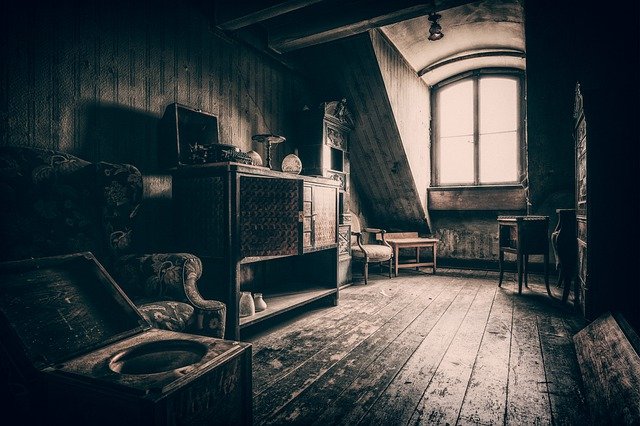
When you are looking at a new home, what do you check out? You probably spend quite some time looking at the things that interest you, such as the room layout, the appliances, and many other things that are important for a home. One thing that many might skip inspecting is the attic. This could prove to be a costly mistake, however. While there usually isn’t anything exciting about an attic, there are many issues that could be lurking there that a simple inspection would find. Of course, when you are touring a potential home, you might not think about looking up there. In some homes, it is actually easy to forget that there is an attic since they have a pull-down ladder to access it. So, why should you take the time to inspect the attic before buying a home? Let us take a look at 3 different categories of issues that you could find in an attic, and why you should be on the lookout for them.
Damage Caused By Outside Influence
First, it is important to be on the lookout for damage, which could cost you money to remedy. What type of damage could you find in an attic? A very common issue is water damage. Since your roof is exposed to the elements, your attic is the place where a leak is most likely to be evident. There is also a possibility that leaking pipes go unnoticed in there. If you see wet spots or dark spots that indicate a past leak, you should check for mold as well as wood rot that could indicate an underlying problem.
Another possibility is damage from pests. If you see droppings or what looks like rodents have scraped or gnawed their way in, you might have a problem to deal with. If this has gone on for a long time, you could end up with damaged electrical wiring, disease, structural damage, and many more issues.
A less common issue, but one that you should be on the lookout for as well is fire damage. If you notice soot, charred wood, or smoke smell, there might have been a fire in the attic. You should find out three things: What was the cause of the fire? What steps did the homeowner take to repair the damage? What has been done to remedy the issue that started the fire in the first place?
Wear and Tear Found in the Attic
The next category of issues that you want to keep an eye out for is structural problems. Going into the attic will be the best way for you to get a look at what your roof rests on. A visual inspection of the top of your roof will not let you know how solid its support is. Your roof is held up by rafters and trusses. If these are cracked or otherwise damaged in any way, it could be a major problem. Check for cracks that could indicate a structural issue.
Another item that you can access from the attic that can be difficult to inspect otherwise is your chimney. While you won’t get a complete picture of the status of your chimney, you can check it for mortar that is deteriorating or for bricks that have cracked. This will tell you whether the chimney might need repairs in the near future.
Common Attic Shortcomings
Our last category involves items that aren’t major problems but will cost you money over time. This will involve windows that aren’t sealed up properly and missing or improper insulation. Whether dealing with hot or cold weather, insulation will save you money. If there is no insulation between your living space and the outside, you will pay extra both for heating and cooling. Many homes have insulation between the attic and living space, but some homeowners have gone the extra mile and added insulation between the attic and the outside.
If you see areas where insulation is missing, ask the seller to address the problem. A common mistake in homes that have an attic pull-down ladder is that insulation is skipped on top of the hatch for the ladder. You should make sure the insulation is facing the correct way (which can be an issue in some configurations). Compressed and wet insulation is going to be less efficient. It also needs to have the correct R-value for the area in which you live. If you want some in-depth information, this article, gives some good advice. Having an infrared camera can help with this part of the attic inspection.
Conclusion
These are only a few of the major issues that can be found in an attic, but you can probably see why you should include it when you inspect a prospective home. Unfortunately, not all homeowners prepare to share their attic as part of the tour, possibly because there are some unresolved issues hiding there. It might be a good idea to give the seller a heads-up that you would like to include it before you come to the site. That way they will have time to ensure you have easy and ready access to it. Of course, a professional home inspector can give you a very detailed breakdown of the state of the attic in a home.
Some other articles you might find interesting are Why Get a Pre-Listing Home Inspection and What to do Before Moving Into Your New Home