
When a Client Disputes an Inspection Payment: A Chargeback Response Plan
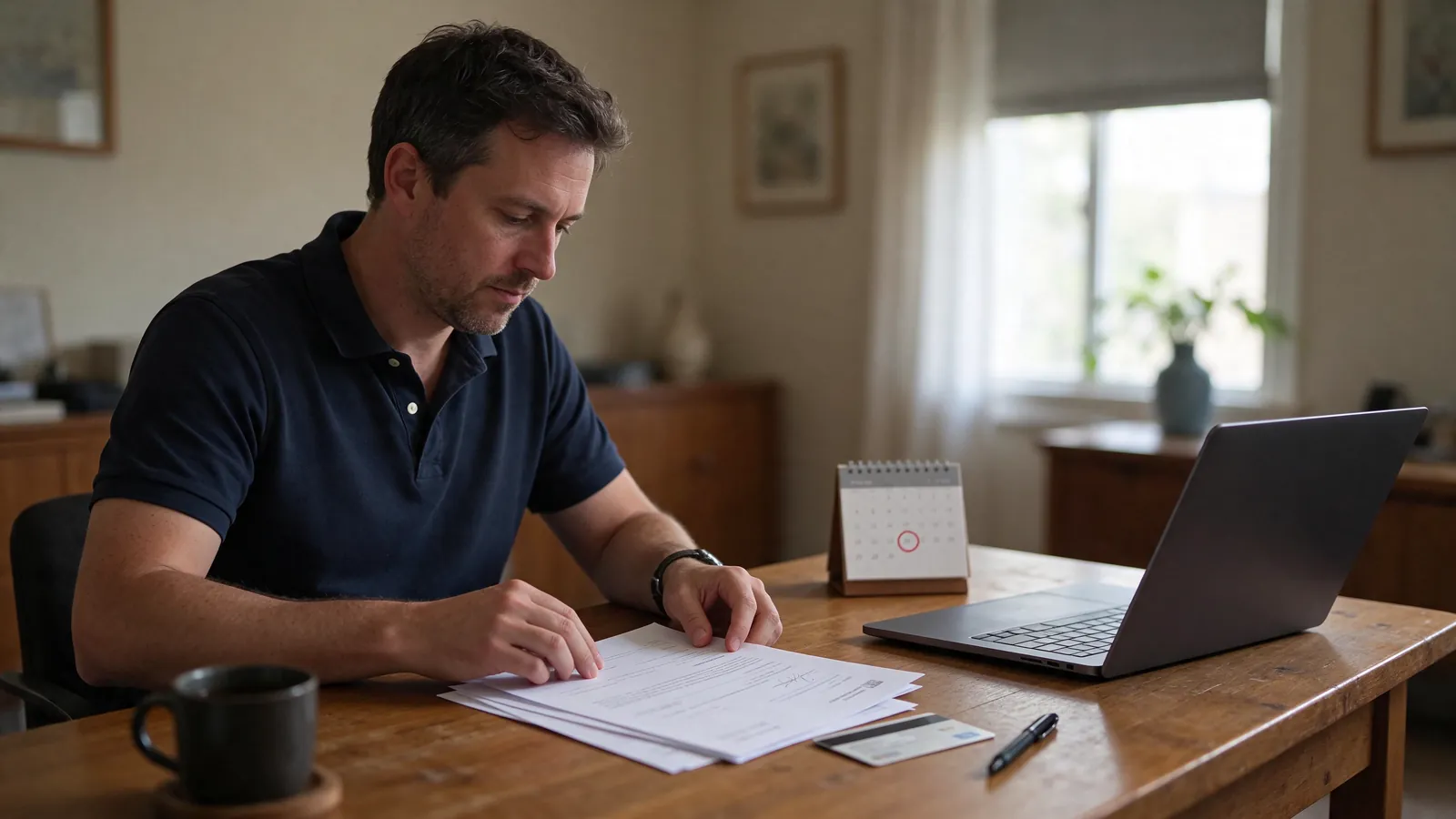
Gather the agreement, delivery record and receipt before answering a dispute. AI-generated illustration.
A dispute notice usually arrives weeks after the inspection. The report was delivered, and the client seemed satisfied. Now their card issuer has reversed the payment, and the email gives you a deadline. Some inspectors ignore it because the amount seems small; others answer angrily before reading what the cardholder claimed.
A card dispute is not the same as a client who never paid. Our earlier article on what to do when a client won’t pay covers collection steps. A dispute is a formal process run by the card networks. Handle it as an operations task with a clear owner and an evidence file.
Understand what has already happened
According to Stripe’s explanation of how disputes work, cardholders can typically dispute within 120 days of payment. For services paid in advance, the window generally starts at the service date. That matters if your clients pay a deposit at booking. For payments processed through Stripe, once a dispute opens, Stripe debits the disputed amount plus a dispute fee from your balance. While it is open, you can’t issue a separate refund for that payment.
Stripe also states that it does not decide the result. The cardholder’s bank does. Stripe’s guide to responding to disputes says you typically have 7 to 21 days to respond, depending on the card network. If you miss the deadline, you lose the dispute automatically. A decision can take up to three months after you submit. Some disputes start as inquiries, mainly from American Express and Discover. An unanswered inquiry can turn into a formal chargeback, so respond to it promptly as well.
Assign the dispute the day it arrives
Decide in advance who handles dispute notices, usually the owner or the office manager who handles billing. Record the deadline as soon as the notice arrives. Then read the dispute category and any issuer documents before you contact anyone. A claim that the charge wasn’t recognized needs a different response from a claim that the service wasn’t as described.
It is often worth contacting the client calmly. Some disputes start because someone didn’t recognize a statement charge. Stripe’s dispute-prevention guidance recommends a recognizable statement descriptor, such as your business name or website domain. If a conversation resolves the problem, ask whether the cardholder will withdraw the dispute. Stripe notes that you still need to submit evidence to overturn it. Keep a record of every message. The approach in our guide to handling client complaints applies here too.
Build an evidence file the bank can actually review
Stripe says a response can be submitted only once, and you can’t edit it or add files afterward. Collect everything before you submit. For a typical inspection payment, the useful records are:
- The signed inspection agreement, showing the services, fee, and any cancellation or refund terms the client accepted.
- The order record: the property address, inspection date and time, and the person who booked it.
- Proof the service was performed and delivered, such as the report’s publication or delivery record and dated inspection photos.
- The invoice and payment receipt, matched to the disputed amount.
- Your communications with the client before and after the inspection, including any attempt to resolve the complaint.
Keep it concise and organized by evidence type. Stripe says issuers don’t follow links or review audio or video, so export screenshots or PDFs instead of pasting a report link. Stripe also advises showing customers the full policy, not just a link, and getting agreement before purchase, so review how your agreement presents refund and cancellation terms. Our piece on having an attorney review client agreements explains why that review belongs with qualified counsel.
Decide whether to accept or counter
Not every dispute is worth fighting. If the claim is valid, for example a duplicate charge or a service you didn’t perform, accepting may be the honest choice. Stripe says accepting is irreversible. Countering adds a separate countered fee, which Stripe returns if you win, but the original dispute fee is generally not returned. For a small charge, weigh your time against the amount. If you counter, write a short, factual explanation tied to the dispute category. Don’t argue about the client’s character.
Reconcile the order afterward
After the bank decides, update your records so your books and the order agree. In the new Inspector Toolbelt dashboard, payments run through your connected Stripe account. The Billing page’s Payments tab is Stripe’s own view of online payments, as described in the Help Center guide on tracking payments and payouts. Prevention is also worth reviewing. Stripe notes that a partially refunded payment can still be disputed for the full amount. When you resolve a complaint with a refund, make sure the amount and method match the agreement. The guide to refunding and voiding invoices explains how full refunds, partial refunds, credit notes, and booking-deposit refunds work for invoices issued through Stripe.
This is operational guidance, not legal advice. Card network rules, your processor agreement, and consumer law in your jurisdiction all apply. This week, write a one-page dispute procedure. It should name the person responsible, where deadlines are recorded, and the five records you will pull for any disputed inspection.
Related Articles
Continue exploring Inspection Business.

Let Your Worth Be Reflected in Your Pricing
Find out why you shouldn't be afraid to raise your prices. Does your pricing reflect what kind of home inspector you are?
Read Article
Finding Balance as a Home Inspector: Why More Inspections Aren't Always Better
More Isn't Always Better When you're building a home inspection business, it's easy to fall into the trap of believing that success means saying "yes" to every inspection request that comes your way....
Read Article
Five Things to Not Forget
More Is Needed to Be Successful Being a home inspector is a rewarding career, but it can also be demanding. Between long hours on the road, time spent on inspections, and the work of writing reports,...
Read Article