
When a Commercial Inspection Client Adds Repair-Cost Opinions
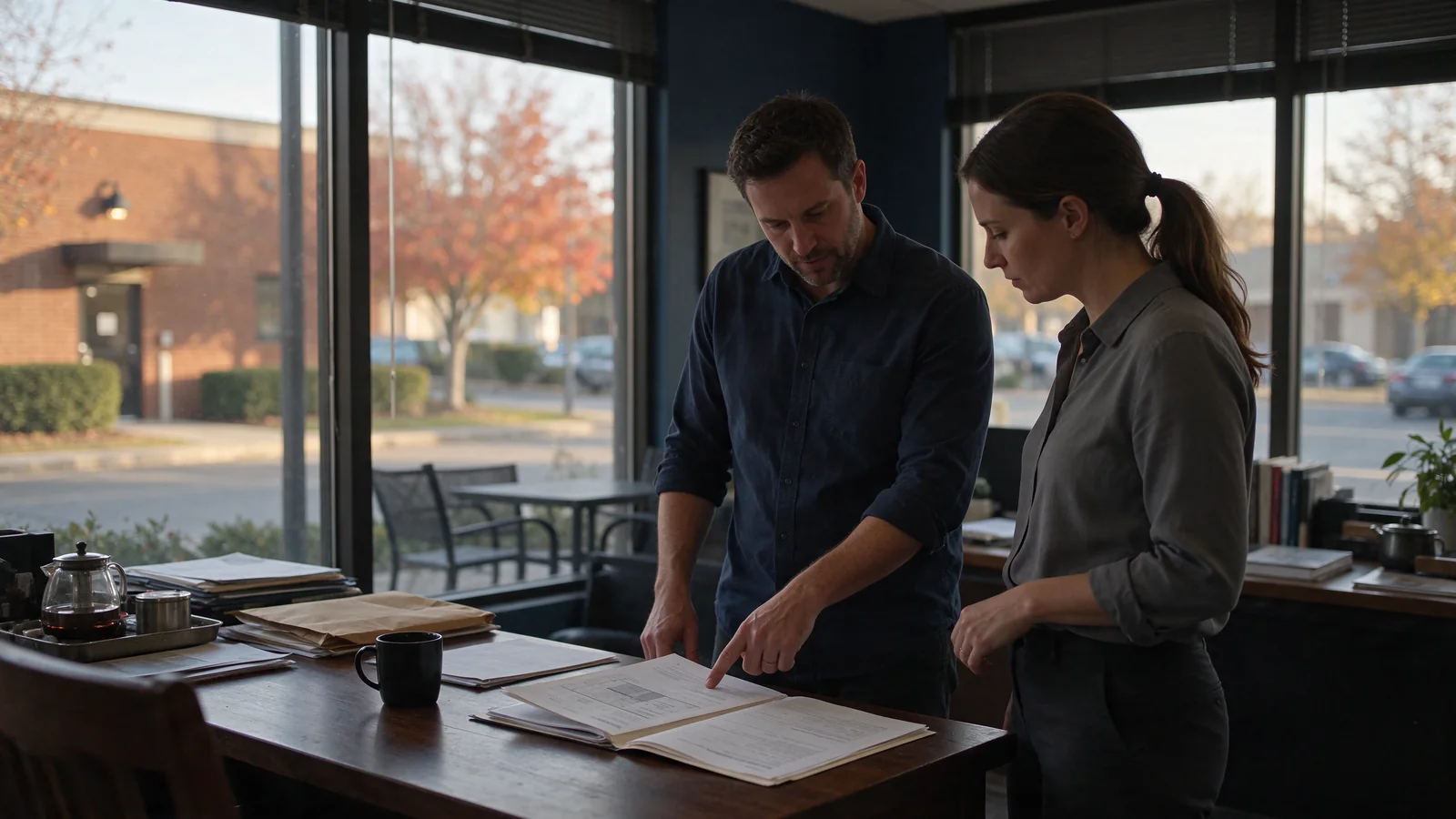
Clarify an added cost-opinion request before expanding the inspection deliverable. AI-generated illustration.
A commercial inspection is booked, the walk-through is nearly finished, and the client asks for a repair-cost table to send to a lender. That request may sound like a formatting change. It can actually change the assignment. Before adding numbers to the report, establish whether the client wants a different deliverable and whether you are equipped to provide it.
This is a scope-change problem, not an invitation to fill a column with educated guesses. A deliberate response helps you decide what can be added, what needs a separate engagement, and what must remain outside your work.
Identify what the client is asking for
Start with the intended use. Is the client trying to budget for repairs, support financing, negotiate a purchase, or plan capital spending? Ask who will rely on the information and whether that party has supplied written requirements. A spreadsheet headed “repair costs” does not tell you which conditions, assumptions, or time periods it should cover.
Also confirm who is authorizing the change. A building contact who arranges access may not be the person who engaged your firm or can approve additional fees. Send the request to the appropriate client representative before treating it as accepted work.
Recheck the agreed inspection framework
The distinction between a commercial property inspection and an ASTM property condition assessment matters here. Under CCPIA’s Commercial Standards of Practice, section 7.14 does not require repair estimates or opinions of costs to remedy. Courtesy cost opinions are described as outside the scope of a commercial property inspection. That does not prevent separately agreed work, but it should stop you from assuming cost opinions were included.
By contrast, the official public scope for ASTM E2018-24 says the property condition report resulting from its assessment process includes opinions of costs for suggested remedies of observed physical deficiencies. Do not apply the ComSOP exclusion to a job you agreed to perform under that framework.
Neither label settles every detail. Review your actual agreement and the client’s requirements. Association standards are not a substitute for applicable law, and a cost opinion is not a contractor’s binding quotation. Do not describe a report as ASTM-compliant merely because you added a cost table.
Decide whether you can accept the added work
Consider what information is still missing. An observed roof problem may be documented adequately for the agreed inspection, yet not provide enough detail for a useful replacement-cost opinion. The added assignment could require measurements, specialist input, further records, or another visit.
Be equally clear about competence. If the client needs a costing methodology or specialist assessment beyond your services, explain that limitation and discuss an appropriate referral. Taking on an assignment because the client needs it urgently does not make your existing evidence more complete.
If the work is feasible, identify its effect on the fee and delivery date. Describe the additional research and deliverable rather than offering an unexplained surcharge. If the deadline cannot accommodate the work, offer a realistic alternative instead of quietly expanding the original promise.
Record the change before producing the deliverable
For a ComSOP engagement, section 9.2.1 calls for a written Scope of Work Agreement specifying services, limitations, and fees. An operationally sensible response to an added request is to document what changes and obtain the appropriate acceptance before doing the additional work. Use a change process reviewed for your business with qualified counsel and your insurer; this article is not legal advice.
Your change record should connect the request to the revised output. Identify which findings the cost opinions will address, how information will be obtained, what assumptions will be stated, and what remains excluded. Record the revised fee and agreed delivery timing in the same place. Keep the original scope available so the team can distinguish the initial engagement from the accepted addition.
For broader intake considerations, revisit our discussion of commercial inspection proposals. The late change should be as deliberate as the original proposal, not an informal promise lost in a phone call.
Reconcile the report with the final scope
Before delivery, compare the report with the original agreement and accepted change. Make the source and assumptions behind any added opinions clear. Distinguish your observations from information supplied by an owner or specialist. Where evidence remains unavailable, explain the limitation rather than implying the uncertainty disappeared when the scope expanded.
Review the delivery message, too. It should not promise an additional analysis that the report does not contain. Our commercial inspection mindset episode offers useful context for understanding different client expectations.
For your next commercial job, choose one place to record scope-change requests and one person responsible for accepting them. The useful habit is simple: clarify the request, decide what you can provide, document the change, and check that the finished deliverable matches it.
Related Articles
Continue exploring Commercial Inspections.

Expanding Horizons: Why Home Inspectors Should Consider Commercial Inspections
Venturing Into Commercial Inspections As the real estate market continues to evolve, so too do the opportunities for home inspectors seeking to diversify their skill set and broaden their...
Read Article
Commercial Inspections - Are They for You?
Should You Do Commercial Inspections? Perhaps you have been doing home inspections for a long time and are looking to try something new. Have you ever thought about commercial inspections? Likely you...
Read Article