
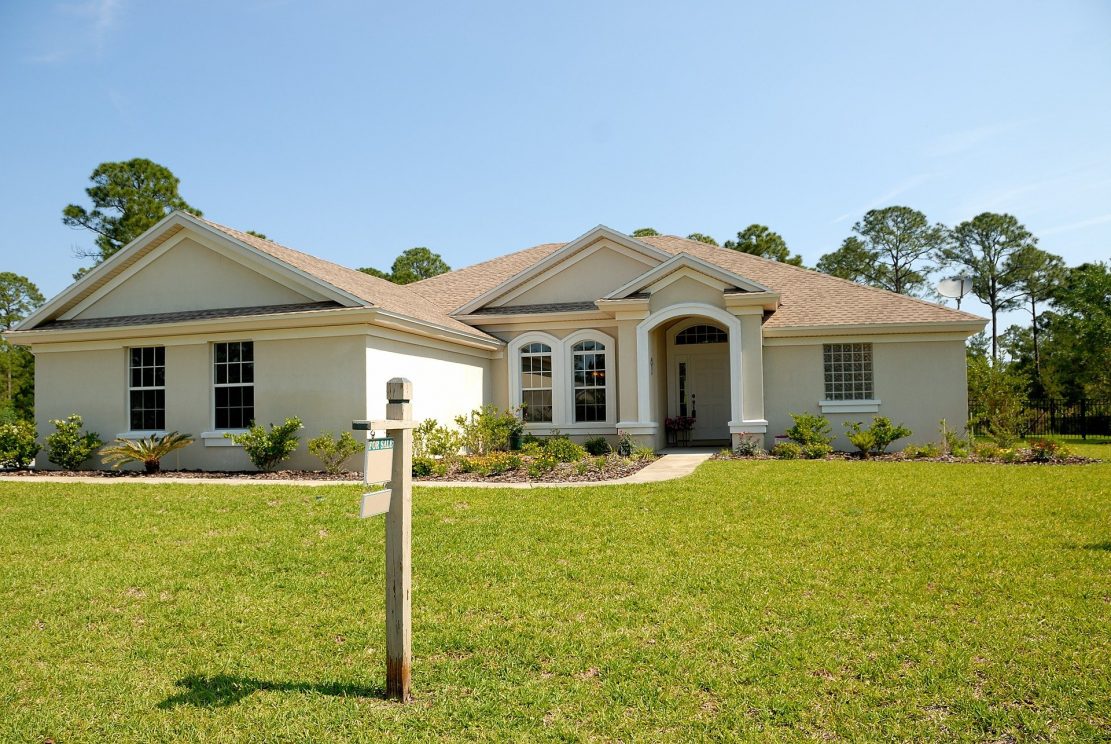
You might not be aware of this, but a home inspection is essential for real estate transactions. A full home inspection report will give you a clear picture of a home’s current condition. In addition, issues discovered by your home inspector could make or break the process. In this article, you will find tips on preparation before selling. Follow these steps to ensure a hassle-free and successful home inspection.
Importance of a home inspection
A home inspection will give you peace of mind whether you’re selling or buying a home. You should be happy that you’re selling a safe house that will last long. It is vital in a real estate transaction because it will help them forecast or assess the possible cost of the house.
You will discover many issues that you will not be able to find with just going around your house. Therefore, you need a home inspector to help you prevent a simple problem from becoming a major one.
You need to take a home inspection seriously for many reasons besides the ones mentioned above.
Importance of Preparing before a Home Inspection
Preparing for a home inspection means making parts of your home fully accessible so your home inspector can do their job properly. This also means you will attend to minor, obvious issues ahead of time. You would want your home inspection to run smooth or hassle-free which is why there is a need to prepare for a home inspection.
Preparing for a home inspection minimizes the issues discovered during the buyers’ inspection.
Steps to Take in Preparing for a Home Inspection When Selling a House.
Check Your Appliances
- Before a home inspection, a way to prepare your appliances is to clean and empty them. First, make sure that clothes are removed from the washer and dryer. Next, remove stuff inside the dishwasher and the oven.
- Your inspector will check if the appliances are following the updated codes. The inspector will check for potential fire hazards, such as using plastic venting rather than metal, which is one of the most commonly found issues.
Check Your Utilities
- Turn on your utilities to ensure the smooth sailing inspection process, especially if you’re selling a vacant house. Your inspector will check cooling, heating, plumbing, and other utilities.
Check Your Windows
- Check all your windows to ensure that they are all working correctly. Look if all windows properly lock, open, and close.
- Some buyers are very serious about the functionality of the windows. For example, window screens should not be ripped, and the glass should not have any cracks in it.
Provide Clear Access For The Inspector
- Think about your home inspector’s safety by clearing out any obstruction that might hinder them from doing a thorough inspection. Clean and move away things blocking access to your attic or any crawl spaces.
- Your home inspector should be able to easily access your water main, home electrical panel, and furnace.
- A home inspector will not move any furniture or boxes covering an entry. Instead, the inspector will assume that the area is off-limits.
Check Your Detectors
- Check your carbon monoxide and smoke detectors before a home inspector finds any issues. If you have a Smart Home, you might have more detectors to check to ensure that they are still functioning and in good shape.
- You must have at least one smoke detector and one carbon monoxide detector.
Check Your Lighting
- The home inspector will check light fixtures around the house. A simple replacement of the lightbulbs should fix minor issues that will no longer be part of the home inspection report. All light fixtures should be functional with new bulbs before the inspection.
Check The Exterior
- Don’t forget about your exteriors. They also need attention. Check if your gutters need cleaning and if your downspouts are correctly positioned, pointed away, and not towards your home.
- Simply ensuring that your gutters are not clogged can save you from having an inspector report it because it might cause future issues that a buyer will avoid.
- Some steps you have to take in preparing your exterior for the home inspection are:
- Garage doors need to function properly
- The driveway condition needs to be checked.
- Your garden, including trees and bushes, needs trimming, especially if branches are pushing up against your house.
- Doorbells should be functioning as it is one of the things they will immediately notice during a home inspection.
- Exterior paint for walls or sidings needs to be updated if necessary.
Inspect Your Major Systems
- Before a home inspection, your cooling and heating systems need to be cleaned and tested for functionality.
- Check out your roof for any missing shingles or any signs of damage. Part of the home inspector’s job is to check if the main systems of the house all are in good shape.
Conclusion
After gaining information on how to prepare for a home inspection, you should now have the edge over other sellers. You can now repair minor issues in advance before the home inspection process starts. Successfully following these steps should help you avoid seeing minor issues on the inspection report that should have been addressed sooner. As a result, you will now have a higher chance to present a well-maintained home that buyers will be attracted to.