
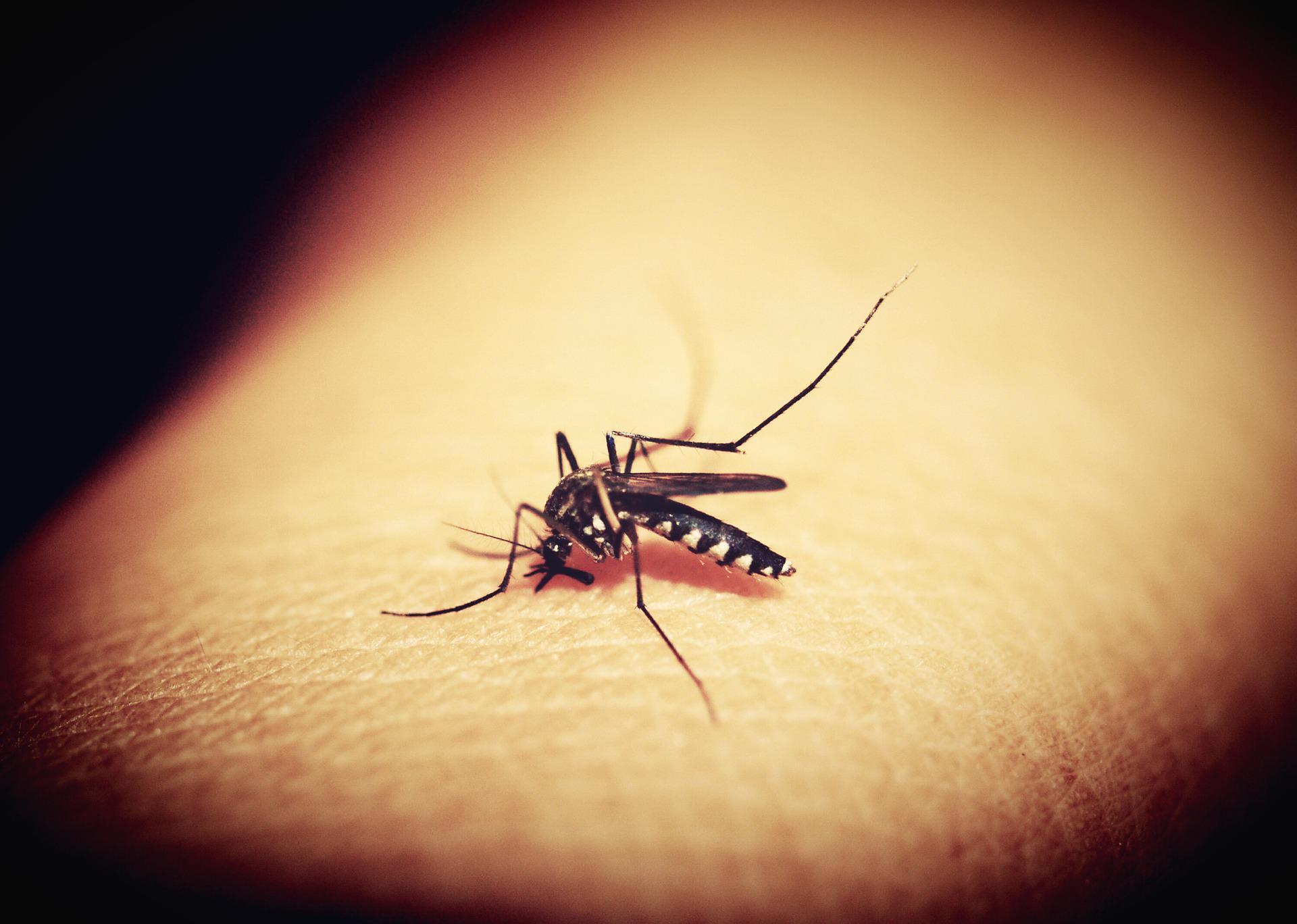
The warmer months of the year bring a lot of things that we have been awaiting for a long time, but mosquitoes are usually not something that anyone misses. While they are nuisances, the main reason we want to avoid mosquitoes is the fact that they can carry many harmful diseases. They live in wetlands, swamps, marshes, and ponds. As a result, they carry diseases like Zika, dengue, West Nile, malaria, etc. Fortunately, there are ways in which you can keep them at bay.
About Mosquitoes
Mosquitoes quickly multiply because they can lay 100 eggs at a time. Mosquitoes feed by sucking blood from animals and humans so they can lay eggs properly. When they have a good food source, they can quickly multiply. Keep in mind that killing mosquitoes is different from just repelling them. Here are various methods for dealing with mosquito problems inside and outside the house.
Mosquitoes inside the Home:
Chemical repellent
The mosquito repellent you can buy from the stores will protect you from mosquito bites. Most mosquito repellent products contain about 30%-50% of a chemical called DEET.
You might have heard that DEET is a health hazard, but according to Environmental Protection Agency, DEET should be safe as long as it is appropriately used and not ingested.
Mosquito traps
You have the option to either buy readily available mosquito traps in stores or you can make your own.
Coffee grounds
You can use coffee grounds to repel mosquitoes. Just burn some coffee grounds and put them in a tray so the smoke can drive the pests away. You just have to make sure that you place it safely to avoid setting off the fire alarm.
Essential oils
Some essential oils can also be used as a mosquito repellent. You can mix eucalyptus, lemon, and lavender with a cup of water. Then transfer it into a spray bottle, shake and spray it, and mosquitoes will be repelled.
Candles
Candles with a lavender scent can be used as a natural mosquito repellent. This will make your home smells good and mosquito-free.
Bug zappers
If you want to kill mosquitoes and not just repel them, a handheld bug zapper might be right for you. It is safe to use inside the house and can easily kill mosquitos if you only have issues with a few.
Mosquitoes in Your Yard:
Plant natural deterrents
Using plants to repel mosquitoes is also an excellent way to make your yard beautiful with clean air. Imagine a mosquito-free yard with a lovely view of plants. Here are some examples of natural deterrents you can plant in your garden:
- Geraniums
- Rosemary
- Garlic
- Catnip
- Lemongrass
- Sage
- Pennyroyal
- Peppermint
- Basil
- Marigolds
- Citronella
- Tulsi
- Lemon balm
- Lavender
Treat pools and ponds.
Your pools and ponds need treatment since they are prime spots for mosquitoes to lay eggs. You can change the pool water and run the filter regularly or put liquid larvicide to prevent mosquitoes from laying their eggs. You can also cover your pool if you are not using it. Fishes that eat mosquito larvae can be placed in your pond to help eliminate them.
Eliminate stagnant water
Avoid having stagnant water stay in your yard for too long to prevent mosquitoes from laying their eggs. Your pet bowls, ditches, gutters, and buckets with stagnant water need to be emptied from time to time. Also, ensure proper drainage for potted plants and birdbaths.
Set a mosquito trap
You can research online about different mosquito traps that would be perfect for your yard. The primary purpose of a mosquito trap is to attract the mosquitoes to one area where you can isolate and eventually eliminate them.
Apply chemical repellents
There are chemical repellents made to help eliminate mosquitoes in outdoor settings. You can use them in vast areas like your gardens, yards, and lawns for a few weeks. You can also use natural spray for safety or health reasons and peace of mind.
If all else fails, then it is time for you to seek the help of a professional pest control company in your area. A local pest exterminator can thoroughly treat your location leaving your backyard a much more pleasant place to be.
Bug Zappers Don’t Work
The one thing that you might have noticed is missing from this list is bug zappers. While we did say that you could use a hand-held bug zapper inside, the ones that so many homeowners have hanging in their backyard don’t work. While it is true that they zap a large number of bugs when they are running, most of those bugs are not biting insects, but actually beneficial bugs that are important for pollination and serve as food for many other animals.
You might find these other articles interesting: Keeping Your Garden Safe From Pests and Summer Maintenance Tips.