
How We Get Water Where We Need It
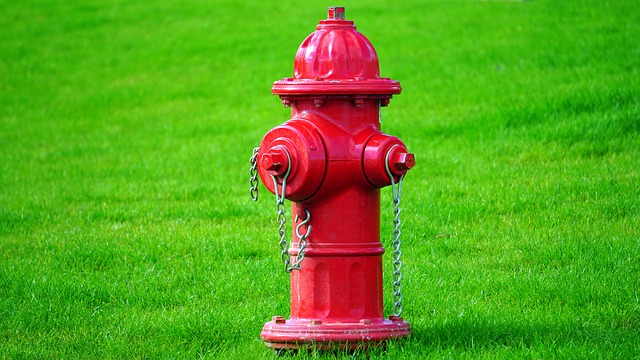
Fire hydrants are present everywhere. It’s one of the essential things we wish we would never need. Have you ever wondered how these fire hydrants work and where they came from?
This article will give you a glimpse of the history of fire hydrants.
Before The Fire Hydrant
It has been a long way since the hydrant system got invented. The typical way to extinguish fires before was buckets of water, and these were the only system we had. A line of firefighters stood from the water source and passed buckets one by one until they extinguished the fire.
The old fire extinguishing process was slow, needed a lot of workforces, and wasn’t that effective and successful. That is why fires destroyed so much property when hydrant systems were not yet present.
Mysterious Origins
No one can prove who invented the 1st fire hydrant since there were different stories about how fire and flood destroyed the inventor’s patent. What we know is it was created in Philadelphia, Pennsylvania, in the early 1800s.
We don’t know who the actual inventor was, but Frederick Graff, Sr., took the credit since we all know that he was the one who created the first pillar fire hydrant in 1801.
The chief engineer of the Philadelphia Water Works company was Frederick Graff. He was still in his twenties when Graff created the pillar hydrant system. Unfortunately, the real story of who invented the 1st fire hydrant will remain a mystery.
Types of Fire Hydrant Systems
You might have seen different types and appearances of fire hydrants worldwide. Still, the two basics are the Dry Barrel system and Wet Barrel system
Dry Barrel System
We are aware that water expands when it freezes; that’s why pipes burst during winter. Then why do fire hydrants don’t freeze and burst? Could it be because there is water in there? Not always.
The water is stored below the ground for the Dry Barrel system, and the part of the hydrant we see is dry. It’s the same concept as geothermal heating at home during the winter.
The temperature below the Earth’s surface is relatively constant and does not fluctuate drastically like the temperature above ground. This means freezing is not a problem for the Dry Barrel system.
To use the Dry Barrel system fire hydrant, firefighters will open a faucet on top to put their hoses inside to get water. Once the surface is closed, the water left is drained from the barrel and automatically closes when all of the water is drained.
Wet Barrel Systems
“Wet Barrel” fire hydrant is popular in places where freezing is not an issue because there are a lot of advantages to it. It is called a “wet” barrel system since water is constantly flowing and supplied inside. The fire hydrant immediately provides water once the firefighters attach their firehose to the valve.
You cannot just open the fire hydrant when you need to cool yourself during summer, negatively affecting when an emergency comes.
We can expect a wet barrel hydrant with a lifespan of 100 years as long as it was constructed well. Hydrants from the 1800s can no longer be restored since they can already cause health safety hazards due to their lead valves.
What We’ve learned about Fire Hydrants
There might be different fire hydrants, but they all function the same. They are supplying water efficiently to where it is needed, especially during emergencies.