
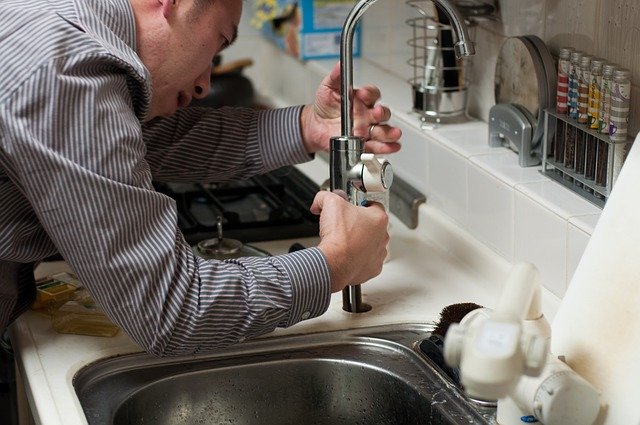
How old is your bathroom faucet? Is it starting to look dingy? Is it difficult to turn it on or off? Does it keep dripping? The solution for you might be to install a brand new faucet. While it might seem like it is complicated or something only a plumber could do, It isn’t actually that bad.
Before you get into the job though, there is really just one thing that you need to do to ensure that it doesn’t end in disaster, and that is to turn off the water supply. After the water is off, there is little chance of your faucet replacement going too wrong. We will emphasize this a couple of times in the instructions below – because if you are a novice, that is the rooky mistake so many seem to make.
By way of disclaimer, if you really aren’t skilled enough to do this – don’t attempt it. If this is your first time doing it and you are qualified, don’t start on a second-floor faucet – then you may damage two floors instead of just one :).
How To Replace a Faucet
The process is simple, and you just have to follow the instructions backward to put everything back together. So, the steps are:
- Turn of the water supply – see, we told you we would emphasize this point. This part is pretty easy. Under the sink are typically two valves – so just turn them off. If they are old or damaged, they may begin to leak though, so it is better to turn the water off further down the line, maybe even at the water main inside your home – but your whole house will then not have water, so think about that one first. Either way, after you turned the water off, turn the faucet back on to let any water out of the supply lines before beginning work.
- Remove water supply lines from the bottom of the faucet. You will need a wrench for this. Many sinks have a metal braided hose that connects. If the faucet is older, it may take some effort to get it off. Don’t get frustrated – as this is to be expected.
- Undo the nuts that hold the faucet in place from the bottom of the sink. You will likely need a wrench for this. Every faucet is different, but there are usually 3 lugs – one for the center of the faucet, and one for each valve – but not always.
- Disconnect the lift rod from the stopper in your sink if there is one. This is not always the case, but the lift rod is pretty easy to remove typically.
- Clean the area. There may be some gross stuff there, old plumbers putty, etc. Be sure to get a good, clean surface to work with.
- Install the new faucet. Most faucets you buy come with instructions, but it is basically just the reverse of what we have shown you here. Be sure to use thread tape on all of the threads where there will be water supply.
- Turn the water back on. Do this slowly… as you may find a leak or two that will need to be corrected.
That is all there is to it, and it should be fairly easy for someone that is handy.